
Kos Island is one of the most historically rich and naturally beautiful destinations in the Greek Dodecanese archipelago. Situated in the southeastern Aegean Sea, just a few kilometres from the Turkish coast at Bodrum, Kos Island occupies a unique position at the crossroads of ancient civilisations, modern tourism, and some of the finest beaches in the entire Mediterranean.
Kos Island attracts hundreds of thousands of visitors every year, drawn by its extraordinary layering of Greek, Roman, Byzantine, Ottoman, and Italian history, its long sandy beaches, its fertile interior, and its relaxed cosmopolitan atmosphere. For Tesla Travel clients, Kos also plays a critical role as the international customs transit point for all sea and air combo transfers between the Bodrum Peninsula and the Greek islands.
Kos Island
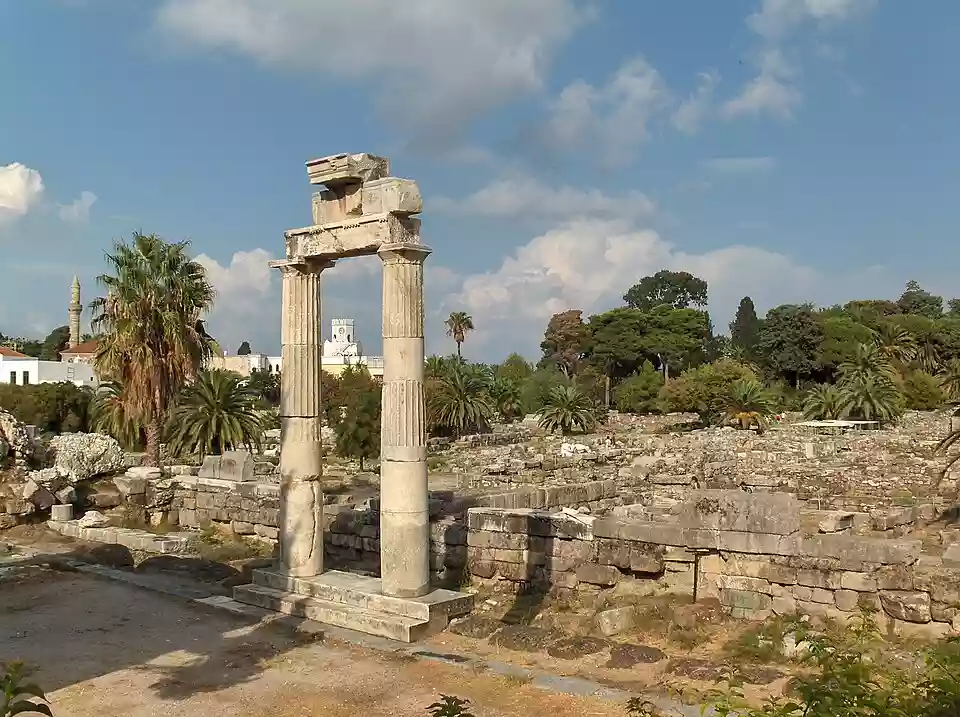
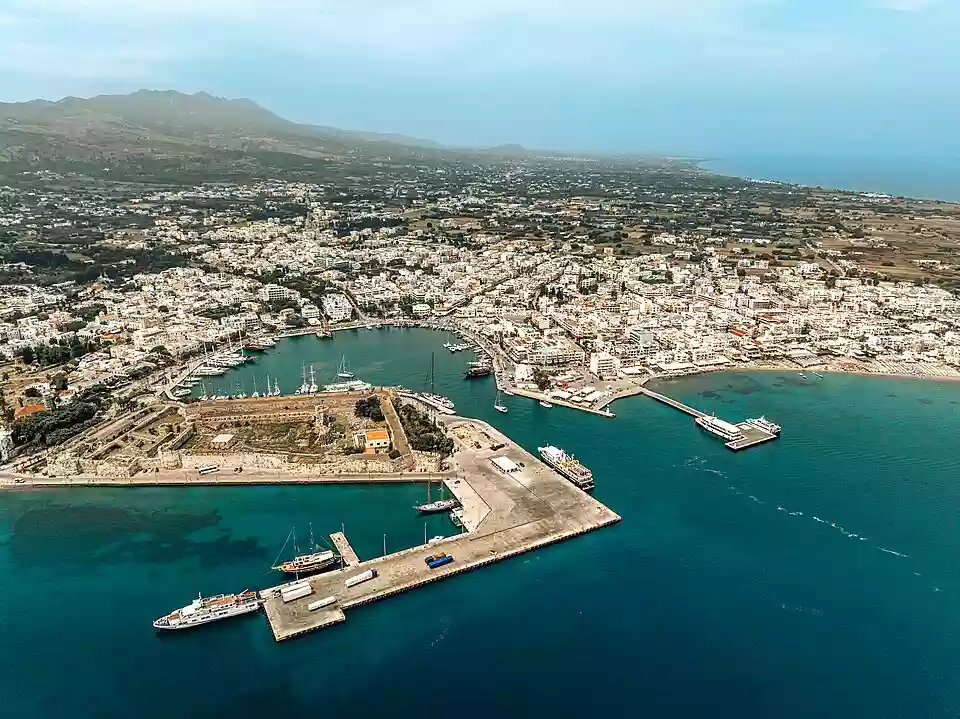
Kos Island covers approximately 290 square kilometres and stretches 45 kilometres from east to west. It is the third largest island in the Dodecanese after Rhodes and Karpathos. The island’s capital, Kos Town, sits on the northeastern tip facing the Turkish mainland across a strait of less than 20 kilometres. Kos is the birthplace of Hippocrates, the father of modern medicine, making it one of the most historically significant islands in the entire ancient Greek world.
The History of Kos
Kos Island has been continuously inhabited for over three thousand years. Its strategic position in the southeastern Aegean made it a prized possession for every major power that dominated the region across the centuries.
Ancient Greek and Roman Kos Island
In antiquity, Kos was celebrated throughout the Greek world as the birthplace of Hippocrates, who established the foundations of rational medicine here in the 5th century BC. The island was also famous for its silk production, its wine, and its poets. Under Roman rule, Kos Island continued to prosper as a centre of healing and culture.
The Asklepion of Kos, built after the death of Hippocrates, became the most celebrated healing sanctuary in the ancient world. Patients travelled from across the Mediterranean to seek treatment at this extraordinary terraced complex overlooking the Aegean.
Byzantine and Crusader Kos Island
Following the decline of Rome, Kos Island passed through Byzantine hands before the Knights of St. John, a powerful Crusader military order, captured the island in the 14th century. The Knights built the imposing Castle of the Knights that still dominates the harbour of Kos Town today. This period left a permanent mark on the architecture and layout of Kos Island’s main settlement.
Ottoman and Italian Kos
The Ottoman Empire conquered Kos Island in 1522 and held it for nearly four centuries. The Ottomans added mosques, fountains, and a distinctive architectural character to Kos Town that remains visible today. In 1912, Italy took control of Kos as part of the broader Dodecanese occupation. Italian urban planning introduced wide boulevards, public buildings, and a market hall that still stand in the town centre. Kos Island finally became part of Greece in 1947, completing a remarkable journey through the hands of the ancient world’s greatest powers.
Kos Town: The Capital of Kos Island
Kos Town is the capital and main port of Kos. It is a compact, walkable destination that rewards exploration on foot, by bicycle, or by electric vehicle. The town centre combines ancient ruins, medieval fortifications, Ottoman heritage, and Italian architecture within a few minutes’ walk of each other.
The Castle of the Knights
The Castle of the Knights of St. John is the most dominant landmark in Kos Town. Built in the 15th century using stones taken from ancient ruins, it rises directly above the harbour entrance and offers panoramic views across the strait toward Bodrum. The Castle of the Knights is one of the best-preserved Crusader fortifications in the entire eastern Mediterranean and an unmissable stop for any visitor to Kos Island.
The Ancient Agora of Kos Island
Directly behind the castle lies the ancient Agora of Kos, one of the largest ancient marketplaces in Greece. Columns, foundations, and scattered marble fragments cover a vast open area in the heart of the modern town. Cafes and restaurants surround the site, making it one of the most atmospheric places to sit and absorb the layered history of Kos.
The Hippocrates Plane Tree
In the central square of Kos Town stands the Hippocrates Plane Tree, one of the oldest living trees in Europe. Tradition holds that Hippocrates himself taught his students medicine beneath its branches. Whether or not the tree dates back to Hippocrates himself, it remains one of the most remarkable natural landmarks on Kos Island and a symbol of the island’s extraordinary medical heritage.
The Archaeological Museum of Kos Island
The Archaeological Museum of Kos Island is housed in a beautiful Italian-built structure on the main square of Kos Town. Its collection includes statues, mosaics, and artefacts spanning the full sweep of Kos Island’s ancient history, with highlights including a famous marble statue of Hippocrates and a remarkable floor mosaic depicting Hippocrates welcoming Asklepios to Kos Island.
The Asklepion of Kos
The Asklepion is the most important ancient site on Kos and one of the most significant in the entire Greek world. Built on a hillside above Kos Town following the death of Hippocrates, it served as both a temple to Asklepios, the god of medicine, and a functioning hospital and medical school.
The Asklepion of Kos is arranged across three terraces connected by broad stone staircases. From the upper terrace, the view across the strait toward Bodrum on the Turkish mainland is extraordinary on a clear day.
Visiting the Asklepion is a 20-minute drive from Kos Town and is comfortably included in any extended stop on Kos. Tesla Travel clients who build extra time into their Kos transit consistently describe it as one of the highlights of their entire Aegean journey.
The Beaches of Kos Island
Kos has some of the finest beaches in the Dodecanese. The island’s elongated shape gives it coastline on both its northern and southern shores, with very different characters on each side.
Tigaki and Marmari Beaches
Tigaki and Marmari are the most popular beaches on the north coast of Kos. Both offer long stretches of white and golden sand with calm, shallow water ideal for families and swimmers. Tigaki in particular is one of the finest beach destinations on Kos Island, with a natural lagoon behind the beach that attracts flamingos during the migration season.
Agios Stefanos Beach
Agios Stefanos is widely considered the most beautiful beach on Kos. Located on the southwestern coast, it features ruins of two early Christian basilicas sitting directly beside the sea, with the volcanic island of Nisyros clearly visible on the horizon. The combination of ancient ruins, clear turquoise water, and volcanic island backdrop makes Agios Stefanos one of the most photogenic beach settings in the entire Aegean.
Kefalos and the Southern Beaches
The southern coast of Kos, centred around the village of Kefalos, offers a series of quieter and less developed beaches. Paradise Beach, Camel Beach, and Magic Beach are strung along this coastline, each offering clear water and a more secluded atmosphere than the busier northern shore beaches.
Kardamena Beach
Kardamena is the main resort village on the south coast of Kos. Its beach is long and sandy, backed by a lively strip of restaurants, bars, and water sports operators. Kardamena is the most energetic beach resort on Kos Island outside of Kos Town itself.
The Interior of Kos Island
Most visitors to Kos concentrate on the coast, but the island’s interior is equally rewarding for those who venture away from the beaches.
Zia Village
Zia is a traditional village perched on the slopes of Mount Dikaios, the highest point on Kos at 846 metres. Its stone houses, bougainvillea-draped terraces, and panoramic views across the island and the surrounding sea make it one of the most visited inland destinations on Kos Island. Zia is particularly famous for its sunsets, which attract visitors from across Kos Island every evening during summer season.
The Forest of Kos Island
The slopes of Mount Dikaios are covered by the most extensive forested area on Kos Island. Walking and cycling trails wind through pine and olive groves, offering a completely different perspective on the island from the coastal resorts below.
Nisyros: The Volcanic Island Visible from Kos Island
From almost any elevated point on Kos, the volcanic island of Nisyros is clearly visible to the south. Nisyros is one of the most unusual destinations in the Dodecanese, with an active caldera that visitors can walk directly into. Day trips to Nisyros from Kos Town harbour take approximately one hour by ferry and operate regularly during peak season, making Nisyros an excellent addition to any extended Kos Island visit.
Kos Island as a Tesla Travel Transit Hub
For Tesla Travel clients travelling from the Bodrum Peninsula to Mykonos, Santorini, Paros, and other Greek island destinations, Kos plays a vital strategic role. All Sea and Air Package combo transfers use Kos as the international customs transit point between Turkey and Greece.
By crossing from Bodrum to Kos by fast catamaran, passengers clear international customs at sea level, allowing the onward helicopter flight from Kos Island to any Cyclades destination to operate as a domestic Greek flight. This routing eliminates international aviation surcharges and significantly reduces the total transfer cost.
Getting to Kos Island from Bodrum
The fastest way to reach Kos from Bodrum is by private helicopter with Tesla Travel, taking approximately 15 to 20 minutes across the strait. Fast catamaran services from Bodrum harbour to Kos Town take approximately 25 to 30 minutes and operate multiple times daily during peak season.
Getting Around Kos Island
Kos is one of the most bicycle-friendly islands in Greece. The flat terrain of the coastal areas and the well-maintained cycling paths make exploring by bicycle the most enjoyable and practical way to move between the beaches and the town centre. Rental cars, scooters, and electric buggies are also widely available across Kos.
When to Visit Kos Island
Kos Island is at its best from May through October. Late June and September offer the best combination of excellent weather, quieter beaches, and lower accommodation prices compared to the peak weeks of July and August. Outside the summer season, Kos is quieter but remains open for visitors who want to explore the historical sites without the summer crowds.
Book Your Kos Transfer via WhatsApp
Whether you are visiting Kos Island as a destination in its own right or using it as the transit point for an onward helicopter transfer to Mykonos, Santorini, or Paros, Tesla Travel manages every element of your journey from the Bodrum Peninsula to Kos Island and beyond.
Send Tesla Travel a WhatsApp message today with your travel date, group size, and destination. A dedicated coordinator will respond promptly with a personalised all-inclusive quote covering every leg of your Kos transfer. Message Tesla Travel on WhatsApp now and let your Kos Island experience begin.